The Intersection of AI and Traditional Calligraphy
Exploring the harmonious dance between ancient ink and modern neural networks.
The Digital Renaissance of the Written Word
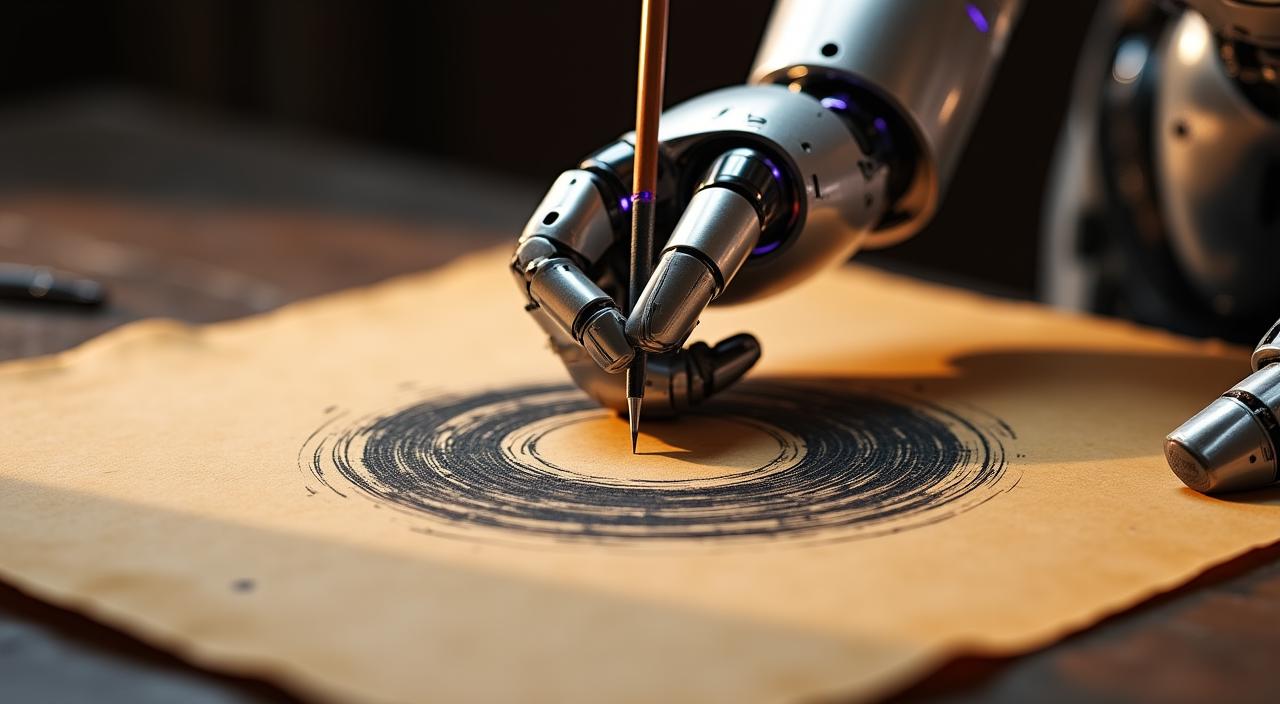
Across the globe, the art of calligraphy is often seen as the ultimate expression of human patience and manual dexterity. When people hear "Artificial Intelligence," they often fear the loss of the soul in art. However, at ScriptMind AI, we view tech and tradition not as rivals, but as collaborators in a new digital renaissance.
Decoding The Masters
Artificial Intelligence models are uniquely equipped to identify and analyze the micro-gestures of historic manuscript strokes. By processing thousands of high-resolution scans from the Middle Ages to the Edo period, neural networks can map the pressure, angle, and speed of long-deceased masters, offering us a window into their techniques that was previously impossible to quantify.
Restoring What Was Lost
One of the most profound applications of generative technology is the restoration of damaged or fading historical texts. AI can predict the likely trajectory of a missing flourish or the complete shape of a weathered character, helping conservators visualize the original intent of the scribe without touching the physical parchment.
AI as the Scribe's Co-Pilot
We believe AI should be a co-pilot, not a replacement. Modern calligraphers use large language models and diffusion networks to rapidly prototype layouts, test color palettes (like our signature #d946ef accent), and generate unique practice prompts. This allows the artist to spend more time on the physical execution and less on the administrative friction of design.
Innovation Through Ink
Blending the unpredictable flow of physical ink with the precision of neural processing.